My Neighbor Stan

My wife and I purchased our first house in Columbia, Missouri. We had just moved to the small city the year before to begin work as professors at the large state university located ten minutes away. It was a rather non-descript two-story home in a middle-class neighborhood whose buildings were just different enough to not be described as cookie-cutters. When we first made the purchase, we did not pay much attention to the large piece of property on the other side of the main road that provided access to our block.
Then one day as I was surfing through Forbes magazine at work, I came across an article showing off the homes of the richest people in America. I mindlessly thumbed through the pages, only to stop at a page where the words “Columbia, MO” were emblazoned in white block text. I came to a complete stop, the page still held half-open in mid-air pinched between my right thumb and index finger as if the concept of time had evaporated from the universe.
I had frozen not because all of the thoughts had drained from my mind, but rather the opposite. My eyes flashes across the page processing the images and text, matching them with names, places, colors that existed in my everyday life. Two things stood out the most. First was the one-story brick building which I knew was the club house of the golf course that was just across the road from us. I caught it in my peripheral vision at least twice a day as we made the turn in and out of our neighborhood to go to work or the grocery store.
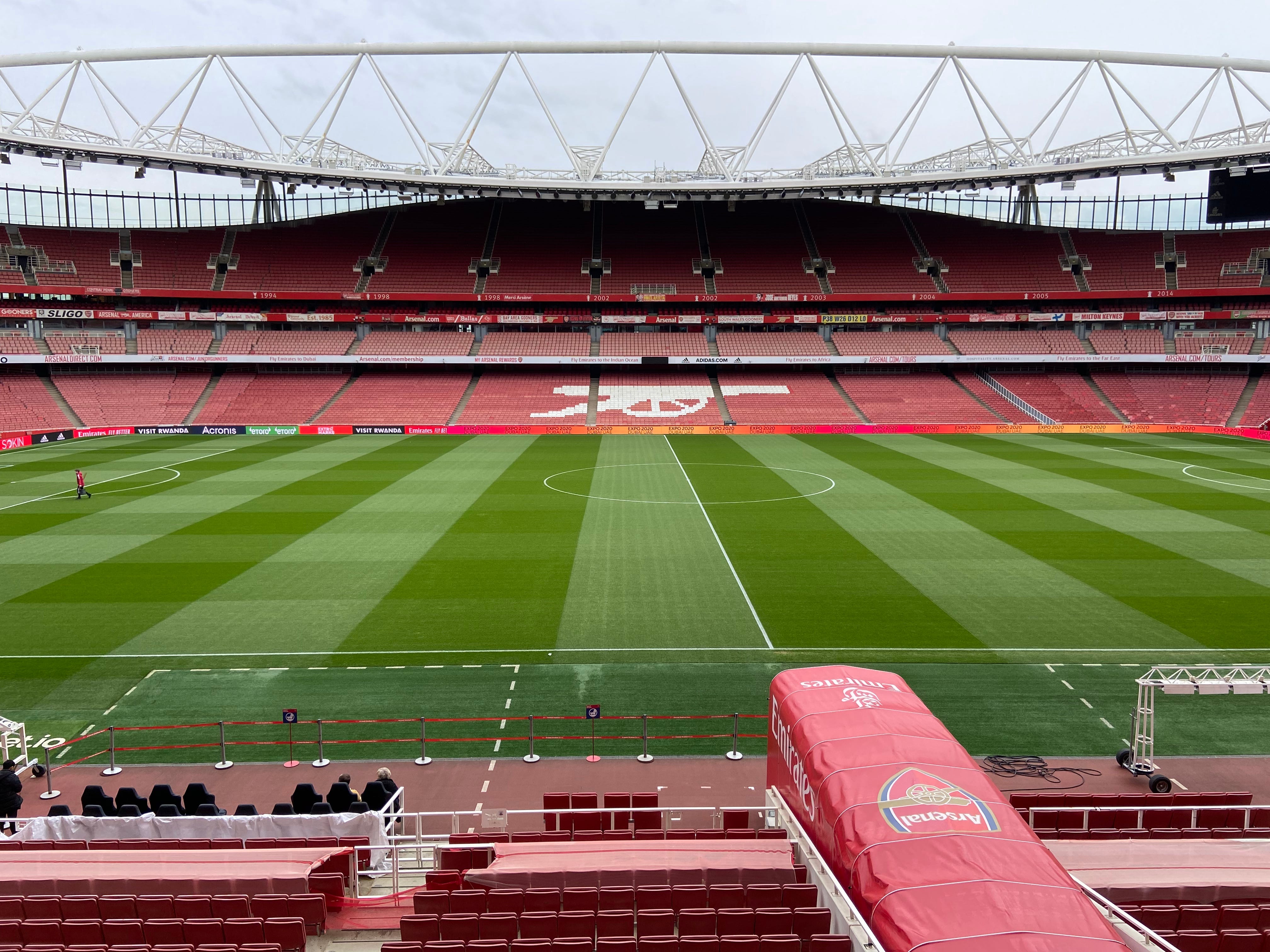
But what really stood out was one word. Kroenke. The large parcel of land across from us was not just owned by one of the richest people in America, it was the home of Stan Kroenke, the man who had just taken over control of my beloved Arsenal a month earlier by becoming their majority shareholder. At the time in 2011, I did not know what to make of Kroenke or his purchase of Arsenal.
My nearest reference point was the purchase of Manchester United by the Glazers, who like Kroenke, were American billionaires that also owned professional sport teams. United had just won the Premier League four of the previous five seasons and finished as runners-up in Champions League against perhaps the strongest Barcelona squad in history. And yet against the hopes that Kroenke would be another foreign owner who provided massive cash injections into the club he purchased to make them a power was the reality that most of the professional sport teams he owned in America had sunken into mediocrity.
My own judgment of Kroenke fluctuated greatly in the first few years. After we sold our best striker Robin van Persie to rival Manchester United and replaced him with some striker who had been on loan in the French second division, I was convinced Kroenke was going to destroy the club. Then we won the FA Cup the next two seasons, and I was so thrilled I briefly contemplated driving across the road and hanging up one of my Arsenal scarves on the gate that guarded the entrance to his compound. The man just across the street had delivered Arsenal to glory. I even began to tell other Arsenal supporters that Kroenke lived just across the street from me.
Then came the day solidified my opinion of Kroenke’s ownership of Arsenal for years to come. March 13th, 2016. Arsenal, the two-time defending champions were dumped out of the FA Cup by Watford in the quarterfinals. Watford! A club that had mostly been in the second division for the last decade had ended our title defense. To make matters worse, later in the day while sitting on a panel at a prominent sport business conference, Kroenke made the statement that would make the headlines of all the UK papers the following day:
“I didn’t buy Arsenal to win trophies.”
And there it was. The stark reality. This man was not a tycoon come to dump money into a club, he was not even a Glazer who would try and spend money for some level of success. He was a businessman first and foremost. His interest in Arsenal was focused on the world of balance sheets, profitability, valuation. I was supposed to be in the audience at that conference, but for some reason I can no longer remember, I had decided not to attend. That was probably fortunate, I can imagine that my reaction would have been like the reporter at George W Bush’s press conference who got so mad he took off his shoes and threw them at the President.
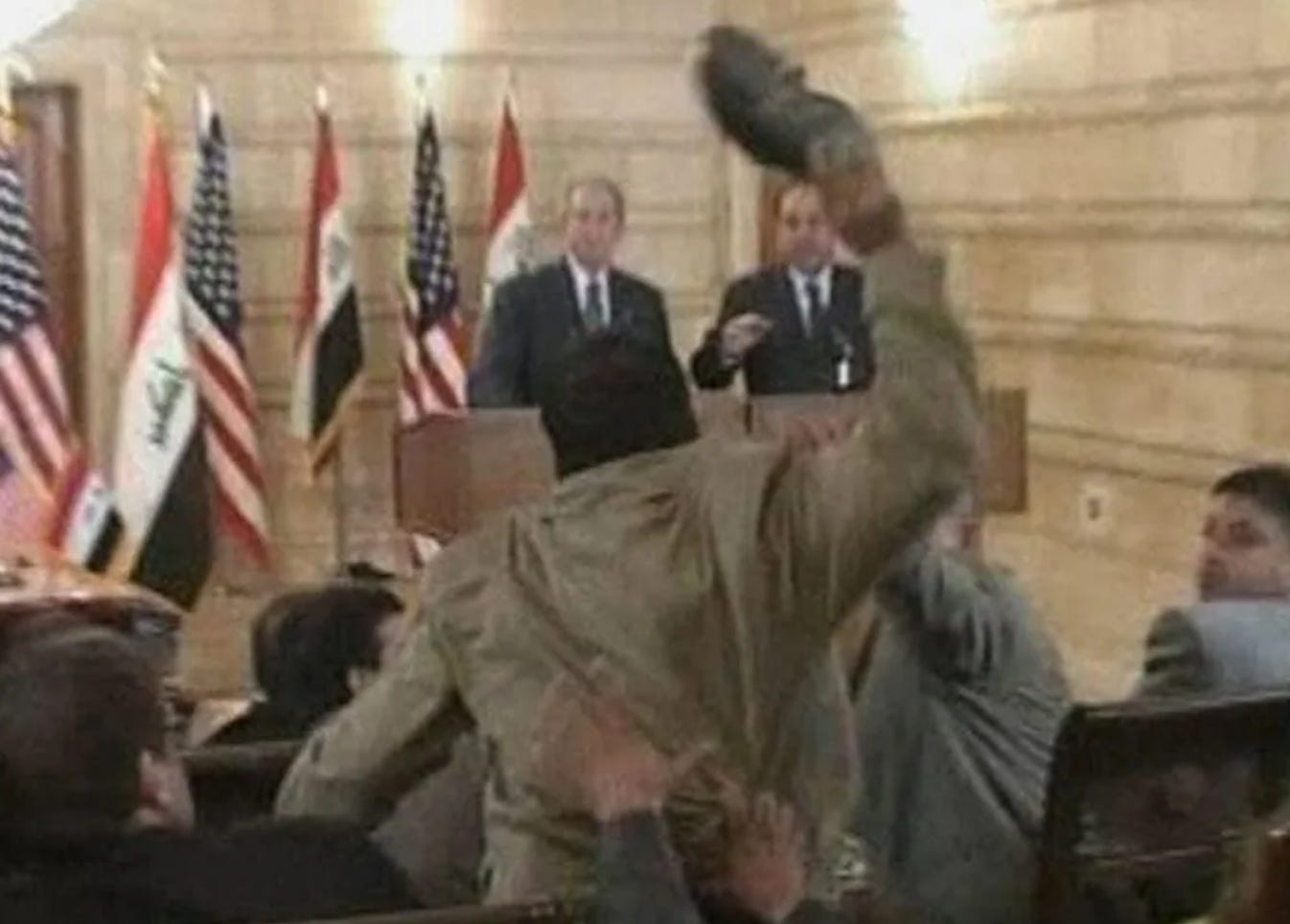
Then again, even though I would likely have been banned from the conference, I probably would have become a legend among Arsenal fans. The American who tried to defend the club’s honors. Sometimes I imagine that I went through with this, hurling my sweaty tennis shoes at a smug Kroenke sitting on the stage. The gasps from the crowd that someone would dare do this in such a professional setting. Security carrying me from the room as I scream:
“Sell the club you FUCKER!”
Free drinks for life at any Arsenal bar as I tell those gathered the story, embellishing at certain points to keep everyone entertained.
I can’t believe that was only seven years ago. Maybe I have matured. Maybe I have become more complacent. Maybe it is Stockholm syndrome. Maybe it is the fact that Arsenal are in the midst of another title charge. Whatever it is, my feelings about Kroenke have dampened significantly. Sure, he is still the embodiment of his nickname “Silent Stan,” the emotionless businessman whose focus will always be on increasing revenues, profits, and his family’s vast fortunes.
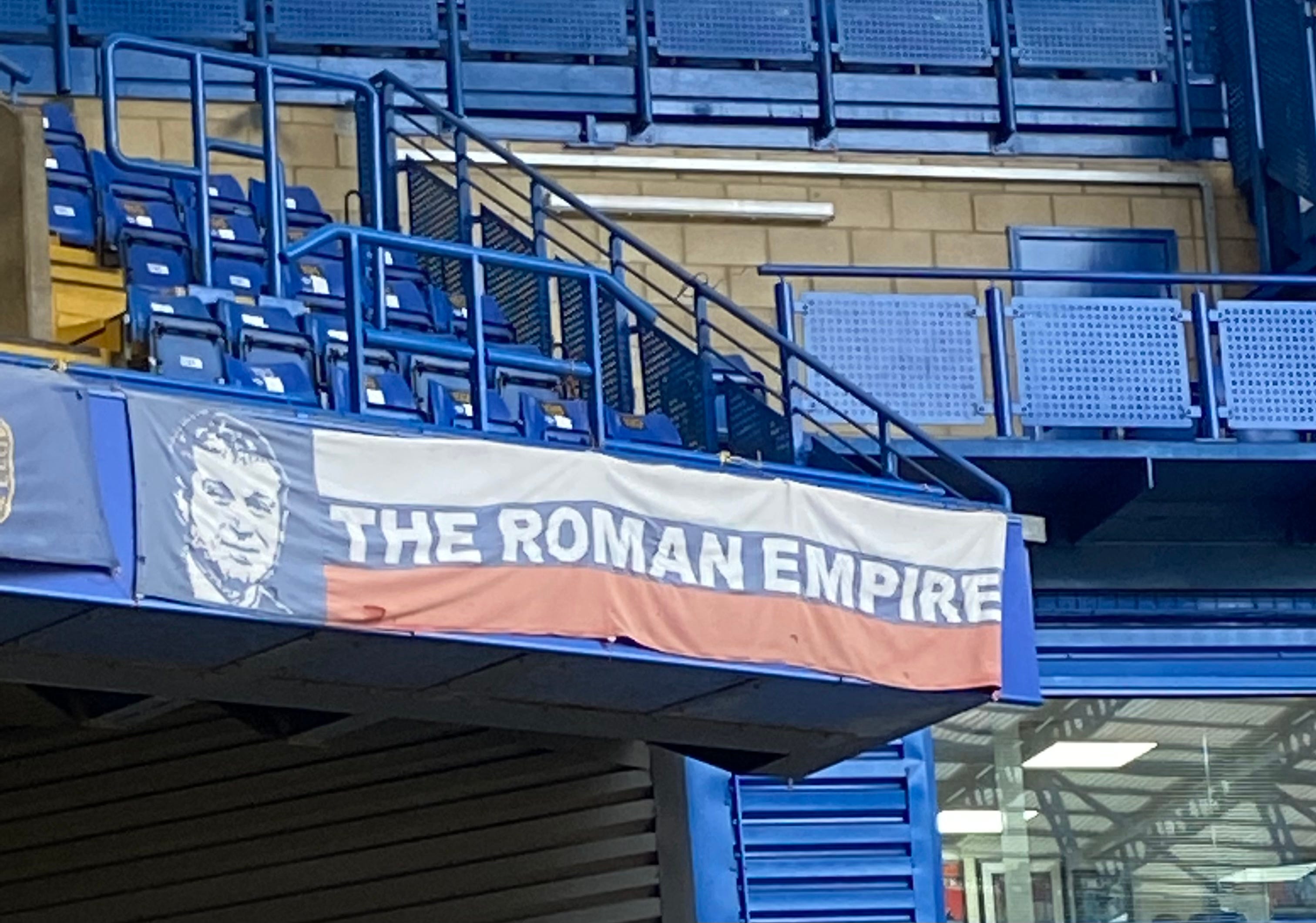
But recent events show us it could be worse. At least he isn’t being sanctioned for a war that has killed tens of thousands or accused of being involved in the murder and dismemberment of a journalist. Kroenke: not harmless, but also maybe not malignant?
Nowadays, I barely tell the story to other Arsenal supporters that I was Kroenke’s neighbor. It seems irrelevant. In all those years living there, I never saw a single car enter or exit his gate once.
Also, it’s probably good I wasn’t there to throw my shoes at him at the conference. It was too cold that day in Boston to have to walk back to my hotel in socks.